


Osteochondrosis refers to a pathology of the spine whose morphological basis (basis) is the destruction of the intervertebral disc structure.However, this concept is not entirely correct, since according to Western medical terminology, this form of the disease implies degeneration of the ossification centers, which is possible only in childhood.At the same time, despite domestic doctors' traditional views on the disease, the relevance of the issue in this case does not depend on what term it is called.In this article, we will discuss how to treat osteochondrosis at home, as well as the prevention and diagnosis of this disease.
symptoms of osteochondrosis
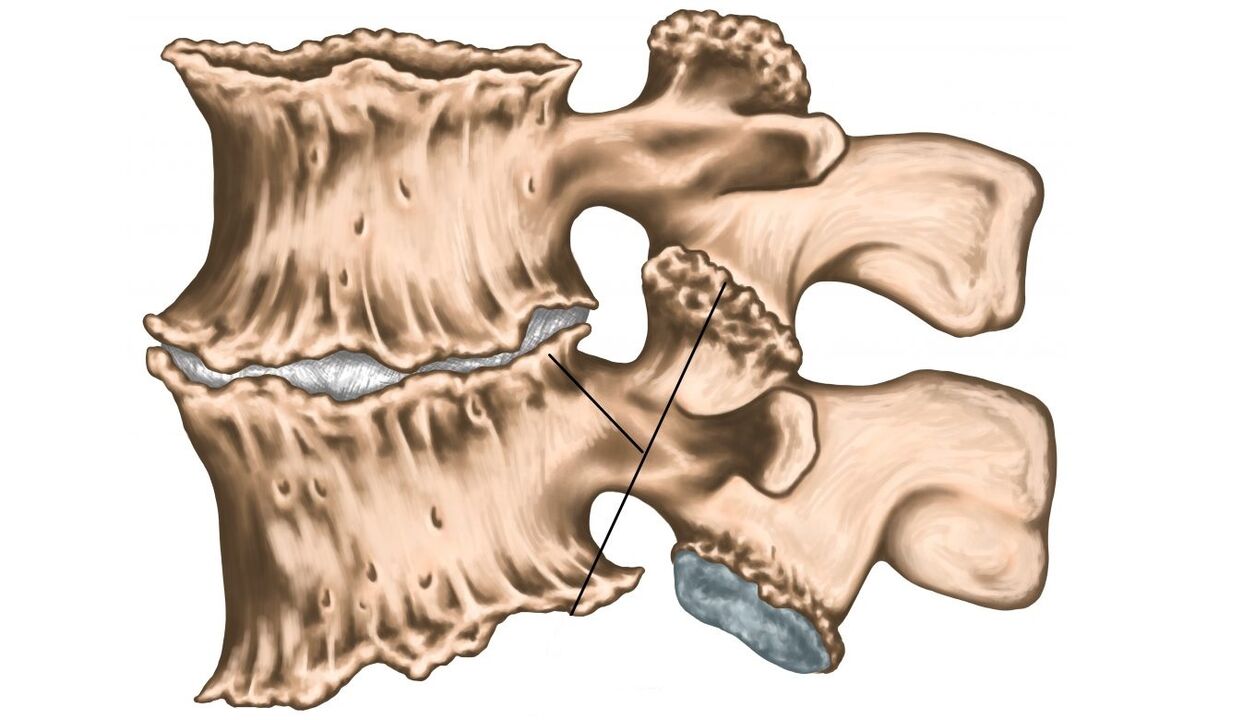
In osteochondrosis, the intervertebral foramina narrows, squeezing blood vessels and nerves, and bone tissue (osteophytes) grows along the edges of the vertebrae.
The disease has a very specific morphology.This pathology is an age-related change in the intervertebral discs, which lose elasticity and become compressed as we age.
As a result, the vertebrae move closer together and the intervertebral holes through which the spinal nerves exit narrow, deforming the vertebrae and disrupting conductivity.Therefore, less typical symptoms are noted, including the appearance of localized soreness in the muscles and extremities.
Symptomatically, it is similar to radiculitis, spina bifida, tumor formation of the spinal skeletal system and spinal meninges.Therefore, a visit to a doctor is necessary to diagnose osteochondrosis and rule out these serious lesions.
If symptoms such as limb weakness occur, you should consult a doctor immediately.If long-term surgery related to arm movement is not possible, osteochondrosis is localized to the neck, and if such symptoms occur in the lower limbs, the waist is also affected.
Differentiating the presenting complaints of patients with thoracic osteochondrosis is relatively difficult because patients with thoracic osteochondrosis most commonly present with autonomic disturbances associated with symptoms of cardiac pain, impaired external respiration, and shortness of breath.
Diagnosis of the disease is based on medical history.It must include information about the workplace and working hours.Here, establishing the facts of weightlifting is of some importance.Diagnosis using laboratory methods is not possible because, in essence, the process is natural and manifests itself with aging.It is also not inflammatory in nature.Instrumental methods include radiography of specific parts of the spine.This allowed us to determine the degree of stenosis of the lumen between two adjacent vertebral bodies and, accordingly, confirm the morphological basis of the pathology.Methods such as CT and MRI can diagnose and rule out similar disease types in more detail.
Treatment and prevention of osteochondrosis
Preventive measures to prevent osteochondrosis include physical exercises related to gymnastics, running, and pull-ups.Also, lifting heavy objects can worsen the condition.Often it may appear for the first time during this operation.When lifting heavy objects, the patient may feel tingling and numbness in the extremities and shoulder blade area.
Treatment of osteochondrosis is conservative in nature and aims to reduce the manifestation of symptoms, since it is almost impossible to eliminate the underlying cause.To relieve symptoms, stimulants are used to reflexively increase the electrical conductivity of the nerve trunk.To treat osteochondrosis at home, you can recommend ointments containing menthol, pepper patches and mustard plasters.Heating pads can be used topically.At the same time, physical therapy can also effectively relieve corresponding symptoms.In particular, you can receive electroshock therapy in a clinic.
Medical treatments include analgesic treatments and nerve conduction enhancers.The first group of drugs includes nonsteroidal anti-inflammatory drugs.These are intramuscular or oral medications.The dosage regimen is determined by the doctor.As drugs of the second group, drugs that partially alleviate neurotrophic deficiencies are effective.At the same time, patients do not require nursing care, since performing daily operations does not pose any special difficulties to them, except for manual labor, which is not recommended for them.
Which doctor should I contact?
Manifestations of spinal osteochondrosis are primarily caused by compression of the spinal roots arising from narrow openings between the vertebral processes.Therefore, this disorder has traditionally been treated by neurologists.In addition, it is recommended to contact a chiropractor - a specialist in spinal diseases or an orthopedic surgeon.Physiotherapists, physical therapy and massage specialists, chiropractors, osteopaths and reflexologists will assist with treatment.